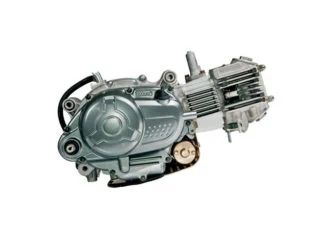
The Complete Guide to Honda G30 – Specs, Performance & Maintenance Explained
Table of Contents
- What Is Honda G30?
- How the Honda G30 Works
- Why the Honda G30 Matters for Performance and Ownership
- Key Components of the Honda G30 Engine
- Honda G30 Cylinder Head
- Engine Block and Crankshaft
- Fuel Injection System
- Cooling System
- Step‑by‑Step Maintenance and Optimization Tips for Honda G30
- Real‑World Applications and Use Cases
- Long‑Tail Variations and Common Queries About Honda G30
- Common Mistakes Owners Make with Honda G30
- Expert Tips to Maximize Honda G30 Performance
- Maintenance Checklist for Honda G30
- Comparison Table: Honda G30 vs Similar Engines
- Quick Summary (Key Takeaways)
- Featured Snippet Questions
- Frequently Asked Questions
- Final Thoughts
The world of small‑displacement four‑cylinder engines is crowded, yet few have earned the same cult following as the Honda G30. Whether you’re a DIY mechanic, a performance enthusiast, or simply someone who wants a reliable daily driver, understanding the nuances of this powerplant can make a huge difference in how you drive, maintain, and upgrade your vehicle.
Many owners discover the Honda G30 by accident—perhaps while searching for a spare part for an older Honda Civic, or when a friend mentions a “smooth‑running 1.5‑liter engine” that seems to have endless life. The engine’s reputation for durability, modest fuel consumption, and surprisingly lively torque has turned it into a hidden gem in the aftermarket community.
In the sections that follow, we’ll unpack everything you need to know about the Honda G30. From its engineering basics and how it works, to practical maintenance checklists and performance‑boosting ideas, you’ll finish this read with a clear roadmap for getting the most out of your engine.
What Is Honda G30?

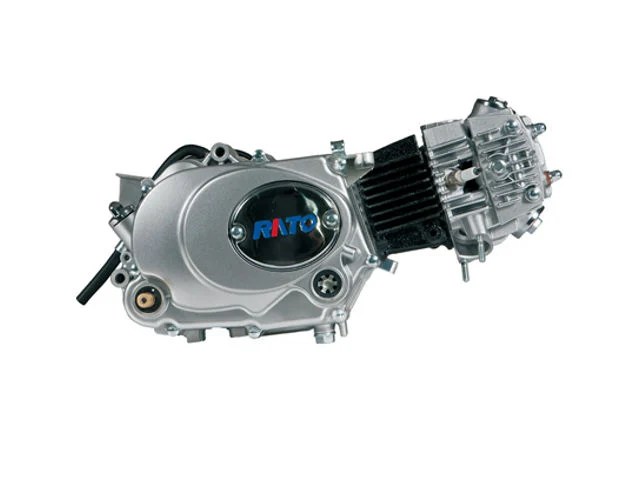
The Honda G30 is a 1.5‑liter, inline‑four gasoline engine produced by Honda Motor Co. from the late 1990s through the early 2000s. It belongs to the “G‑series” family, sharing a basic block design with the well‑known G20 but featuring a slightly larger bore and revised cylinder head for improved breathing.
Designed originally for compact sedans and hatchbacks, the Honda G30 delivers a balance of low‑end torque and respectable top‑end power, making it suitable for both city commuting and light spirited driving. Its aluminum alloy head, iron block, and dual‑overhead‑cam (DOHC) layout reflect Honda’s long‑standing emphasis on high‑revving efficiency without sacrificing reliability.
How the Honda G30 Works
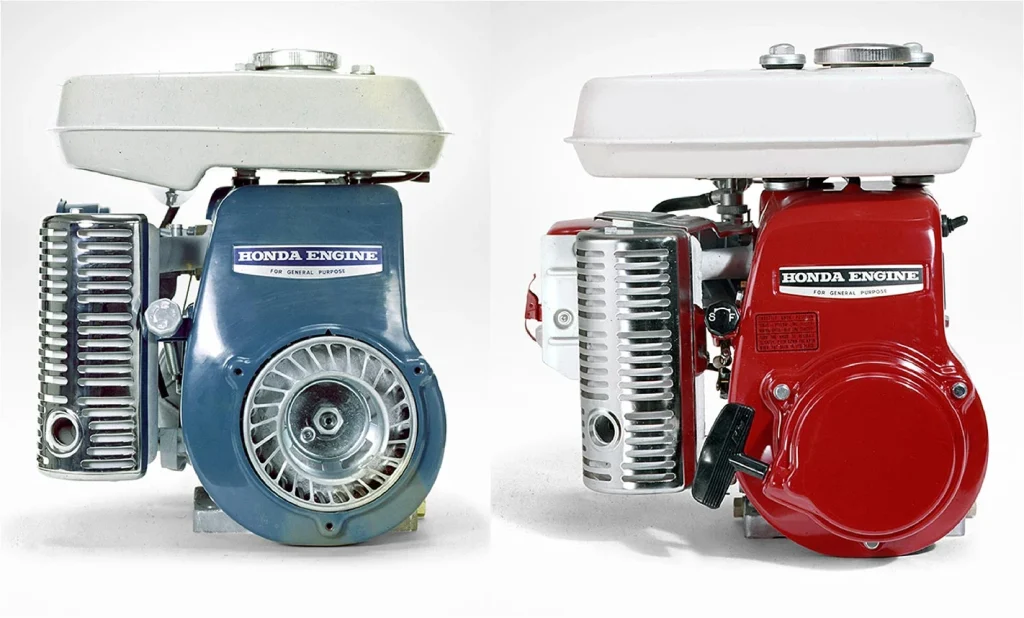
Understanding the inner workings of the Honda G30 helps you diagnose issues faster and appreciate why certain maintenance steps are crucial.
- Intake Cycle: Air enters through a multi‑leaf intake manifold, passes an electronic throttle body, and mixes with fuel in the port‑injected injectors.
- Compression: The piston compresses the mixture in a 10.5:1 ratio, a sweet spot that gives a good balance between power and fuel economy.
- Ignition: A coil‑on‑plug (COP) system fires each spark plug at the optimal crank angle, ensuring efficient combustion.
- Exhaust: Burned gases exit through a tuned exhaust manifold, which aids scavenging and reduces back‑pressure.
All of these events are coordinated by the engine control unit (ECU), which continuously adjusts fuel delivery, ignition timing, and idle speed based on sensor feedback. The result is a smooth, responsive engine that can comfortably cruise at 70 mph while still delivering a lively feel when you press the accelerator.
Why the Honda G30 Matters for Performance and Ownership
Owners often wonder whether a modest‑size engine can truly influence overall vehicle dynamics. The answer lies in the interplay of three key factors:
- Performance: The Honda G30 produces roughly 115 hp at 6,500 rpm and 106 Nm of torque around 4,500 rpm. While not a supercar figure, this output is ample for a lightweight hatchback, offering brisk acceleration without the fuel‑guzzling nature of larger engines.
- Fuel Efficiency: Thanks to its high compression and efficient valve timing, the Honda G30 often achieves 7‑8 L/100 km (≈30‑35 mpg) in mixed driving, keeping running costs low.
- Maintenance Cost: The engine’s simple architecture, widespread parts availability, and long‑standing service bulletins mean that routine upkeep is inexpensive compared to more exotic powerplants.
For anyone looking to keep ownership costs down while still enjoying a spirited drive, the Honda G30 strikes a rare balance.
Key Components of the Honda G30 Engine
Honda G30 Cylinder Head
The aluminum cylinder head houses the dual overhead cams, four intake and four exhaust valves, and the COP ignition system. Its lightweight design contributes to the engine’s quick revving nature. Periodic cleaning of the carbon deposits on the valve seats is essential to maintain peak airflow.
Engine Block and Crankshaft
The cast‑iron block provides robustness, while the forged steel crankshaft is balanced for smooth operation up to 7,000 rpm. Regular oil changes keep the bearings well‑lubricated, extending the block’s life.
Fuel Injection System
Port‑fuel injection delivers precise amounts of gasoline into each cylinder. Using a high‑quality fuel filter and occasional injector cleaning spray helps avoid clogged nozzles that can cause rough idling.
Cooling System
Liquid cooling is managed by a thermostatically controlled radiator and an electric water pump. Overheating is rare, but a failing water pump can lead to costly head‑gasket issues, so it’s wise to replace the pump at the manufacturer’s service interval.
Step‑by‑Step Maintenance and Optimization Tips for Honda G30
Keeping a Honda G30 happy is straightforward if you follow a disciplined routine. Below is a practical checklist that blends everyday care with performance‑oriented upgrades.
- Oil & Filter Change: Use 5W‑30 fully synthetic oil. Replace the filter every 5,000 km or 3,000 miles.
- Air Filter Inspection: Check the paper element monthly; replace if airflow is restricted.
- Spark Plug Replacement: Copper plugs last about 30,000 km; iridium plugs can extend life to 80,000 km.
- Coolant Flush: Every 40,000 km, flush the system with a 50/50 ethylene glycol mix.
- Timing Belt: Replace at 90,000 km (or 5 years) to avoid catastrophic failure.
- Throttle Body Cleaning: Use a non‑abrasive cleaner to keep the electronic throttle responsive.
- Performance Upgrade – Intake: A high‑flow cold‑air intake can increase peak power by 5‑7 hp.
- Performance Upgrade – Exhaust: A cat‑back exhaust improves scavenging, delivering a more aggressive tone and slight power gain.
- ECU Remap: For those seeking a more aggressive throttle response, a modest remap can lift the redline by 250 rpm and add 8‑10 hp.
When you’re ready to dive deeper, the complete guide to the Honda G20 provides a solid foundation for understanding the design philosophy that also underpins the Honda G30.
Real‑World Applications and Use Cases
Owners of the Honda G30 report a wide range of everyday scenarios where the engine shines:
- Urban Commutes: Smooth low‑end torque makes stop‑and‑go traffic effortless.
- Weekend Getaways: The engine maintains comfortable highway speeds without excessive fuel burn.
- Track Days (Light): With a modest cam swap and a lightweight flywheel, the Honda G30 can sustain 7,000 rpm for short bursts, delivering a fun, predictable power curve.
- Vehicle Swaps: Enthusiasts often transplant the Honda G30 into older chassis (e.g., early‑90s Civics) for a reliable, modern power source.
Long‑Tail Variations and Common Queries About Honda G30
Below are natural extensions of the primary keyword that users often search for. Integrating these topics helps the article rank for a broader set of queries.
- How to improve honda g30 fuel efficiency?
- Best performance upgrades for a honda g30 engine.
- Common problems with the honda g30 timing belt.
- Honda g30 vs Honda g20 – which is better for daily driving?
- DIY cleaning guide for honda g30 throttle body.
Addressing these points throughout the article ensures that readers find answers to the specific questions they typed into Google.
Common Mistakes Owners Make with Honda G30
Even a robust engine can be harmed by simple oversights:
- Skipping Oil Changes: Using marginally old oil reduces lubrication, leading to premature bearing wear.
- Neglecting the Timing Belt: A snapped belt can bend pistons and destroy the head.
- Using Low‑Quality Fuel: The high compression of the Honda G30 demands at least 91 RON fuel; lower octane causes knocking.
- Over‑tightening Spark Plugs: This can strip threads in the aluminum head, a costly repair.
Expert Tips to Maximize Honda G30 Performance
Seasoned mechanics and seasoned Honda enthusiasts share the following proven tactics:
- Cold‑Start Enrichment: Adjust the ECU’s cold‑start enrichment map for colder climates to reduce rough idling.
- Valve Clearance Check: Verify the 0.15‑0.20 mm clearance at 2,500 rpm; too tight leads to loss of power, too loose can cause valve bounce.
- Lightweight Pistons: Forged aluminum pistons reduce reciprocating mass, improving rev response.
- High‑Flow Fuel Rail: Upgrading to a stainless steel rail improves fuel delivery consistency under high load.
For a deeper look at related Honda engines, the Honda GCV160 Complete Guide offers valuable comparative insights.
Maintenance Checklist for Honda G30
| Interval | Task | Notes |
|---|---|---|
| Every 5,000 km | Oil & filter change | 5W‑30 synthetic recommended |
| Every 10,000 km | Air filter inspection | Replace if visibly dirty |
| Every 15,000 km | Inspect coolant level & hoses | Check for swelling or cracks |
| Every 30,000 km | Replace spark plugs | Iridium plugs recommended |
| Every 40,000 km | Coolant flush | 50/50 ethylene glycol mix |
| Every 90,000 km | Timing belt replacement | Inspect tensioner simultaneously |
Comparison Table: Honda G30 vs Similar Engines
| Engine | Displacement | Peak Power | Torque | Typical Applications | Pros | Cons |
|---|---|---|---|---|---|---|
| Honda G30 | 1.5 L | 115 hp @ 6,500 rpm | 106 Nm @ 4,500 rpm | Civic, Fit, light swaps | Durable, fuel‑efficient, easy to tune | Limited aftermarket support vs larger Honda engines |
| Nissan GA15DE | 1.5 L | 105 hp @ 6,000 rpm | 140 Nm @ 4,000 rpm | Sentra, X‑trail | Higher low‑end torque | Heavier, less rev‑friendly |
| Honda G20 | 2.0 L | 130 hp @ 6,400 rpm | 158 Nm @ 4,300 rpm | Accord, Prelude | More power, robust aftermarket | Higher fuel consumption |
Quick Summary (Key Takeaways)
- The Honda G30 is a 1.5‑L DOHC engine known for reliability and modest power.
- Regular oil changes, timing‑belt swaps, and coolant maintenance keep it running for 200,000 km+.
- Simple upgrades—cold‑air intake, cat‑back exhaust, and ECU tune—can add 10‑15 hp.
- Common pitfalls include neglecting the timing belt and using low‑octane fuel.
- When compared to similar 1.5‑L units, the Honda G30 offers the best blend of rev‑ability and parts availability.
Featured Snippet Questions
What is the displacement of the Honda G30?
The Honda G30 has a displacement of 1.5 liters (1,498 cc).
How many horsepower does the Honda G30 produce?
It delivers approximately 115 horsepower at 6,500 rpm.
What is the recommended oil change interval for the Honda G30?
Honda recommends changing the oil and filter every 5,000 km (or 3,000 miles) when using synthetic 5W‑30 oil.
Can the Honda G30 be swapped into older Civics?
Yes, the compact size and bolt‑pattern make it a popular swap for 1990s‑era Civics seeking modern reliability.
Frequently Asked Questions
- Is the Honda G30 suitable for high‑performance builds?
- While it isn’t a race‑engine, moderate upgrades—like a performance cam, free‑flowing exhaust, and ECU remap—can safely raise output by 10‑15 hp without compromising reliability.
- How often should I replace the timing belt on a Honda G30?
- The manufacturer advises replacement at 90,000 km or 5 years, whichever comes first.
- What type of fuel does the Honda G30 require?
- It is designed for regular unleaded gasoline with a minimum octane rating of 91 RON (RON 95 is optimal for spirited driving).
- Can I use a turbocharger on the Honda G30?
- Turbocharging is possible, but it requires internal upgrades (strengthened pistons, upgraded fuel system, and ECU tuning). For most owners, a naturally aspirated build offers the best cost‑to‑benefit ratio.
- What are the signs of a failing water pump in the Honda G30?
- Typical symptoms include coolant loss, overheating warnings, whining noises from the pump pulley, and occasional steam from the radiator.
Final Thoughts
After dissecting the design, operation, and upkeep of the Honda G30, it’s clear why this modest engine has earned a dedicated following. Its blend of durability, fuel efficiency, and tunable nature makes it a versatile choice for daily commuters, weekend racers, and DIY hobbyists alike. By following the maintenance schedule, avoiding common pitfalls, and applying a few proven performance tweaks, you can extract every ounce of enjoyment the Honda G30 has to offer while keeping ownership costs low.
If you’re ready to explore related engines, the Nissan L28 Engine guide provides an interesting contrast in displacement and power characteristics.
Enjoy the road, stay on top of your service tasks, and let the Honda G30 bring that reliable, friendly power to every mile you travel.